

Retail analytics is changing the way online stores understand their customers and make business decisions. Most people think gathering data is enough to move the needle, but the real surprise is how this data powers growth and profits. Data-driven companies are actually 23 times more likely to gain new customers and 19 times more likely to be profitable. That kind of impact does not come from collecting numbers, but from turning those numbers into clear actions that separate leaders from everyone else.
Table of Contents
- What Is Retail Analytics And Why Is It Essential?
- The Evolution Of Retail Analytics In The Digital Age
- Key Concepts In Retail Analytics You Should Know
- How Retail Analytics Drives Business Decisions
- Real-World Applications Of Retail Analytics In E-Commerce
Quick Summary
| Takeaway | Explanation |
|---|---|
| Retail analytics enhances decision-making. | It transforms raw data into strategic insights, allowing e-commerce businesses to make informed choices that improve performance. |
| Data-driven organizations are more successful. | Businesses using analytics are significantly more likely to retain customers, acquire new ones, and achieve profitability. |
| Personalization improves customer experience. | Retail analytics enables tailored marketing strategies, fostering deeper customer engagement through customized recommendations and communications. |
| Operational efficiency can be significantly improved. | Advanced analytics can help reduce costs and enhance satisfaction by optimizing inventory management, demand forecasting, and resource allocation. |
| Understanding core metrics is critical. | Key performance metrics like conversion rates and customer acquisition costs guide e-commerce strategies and operational improvements. |
What is Retail Analytics and Why is it Essential?
Retail analytics represents a sophisticated data-driven approach that transforms raw sales information into strategic insights for e-commerce businesses. By systematically collecting, analyzing, and interpreting digital store performance data, merchants can make informed decisions that directly impact revenue and customer experience.
Understanding the Core Mechanics
At its fundamental level, retail analytics goes beyond simple sales tracking. It involves a comprehensive examination of multiple data points including customer behavior, product performance, purchasing patterns, and conversion metrics. Our comprehensive guide on understanding retail analytics terms provides deeper insights into this complex ecosystem.
Key components of retail analytics typically encompass:
- Customer segmentation and profiling
- Purchase trend identification
- Inventory management optimization
- Performance benchmarking
- Predictive sales forecasting
The Strategic Importance for E-Commerce
According to McKinsey Global Institute, data-driven organizations are 23 times more likely to acquire customers, 6 times as likely to retain customers, and 19 times more likely to be profitable. Retail analytics transforms raw numbers into actionable intelligence that can dramatically reshape business strategies.
By understanding granular details about customer interactions, purchase history, and product relationships, e-commerce store owners can:
- Predict emerging market trends
- Personalize marketing strategies
- Optimize pricing models
- Reduce operational inefficiencies
- Create targeted cross-sell and upsell opportunities
The real power of retail analytics lies not just in collecting data, but in translating complex information into clear, strategic actions that drive measurable business growth. For modern e-commerce entrepreneurs, it represents the difference between guessing and knowing exactly how to enhance their digital storefront’s performance.
The Evolution of Retail Analytics in the Digital Age
The digital transformation has fundamentally reshaped how businesses understand and interact with customer data. Retail analytics has emerged from basic transactional tracking to a complex ecosystem of predictive intelligence and strategic insights that go far beyond traditional measurement techniques.
From Spreadsheets to Smart Systems
Historically, retail analytics relied on manual spreadsheet calculations and retrospective reporting. Modern approaches leverage artificial intelligence and machine learning to provide real-time, predictive insights.
Below is a table summarizing the key technological milestones that have driven the evolution of retail analytics, helping clarify how digital transformation has reshaped the industry.
| Technological Milestone | Description |
|---|---|
| Digital Point-of-Sale Systems | Enabled electronic tracking and consolidation of sales data for better analysis. |
| Cloud Computing Platforms | Allowed scalable, remote data storage and real-time access to vast amounts of information. |
| Advanced Machine Learning Algorithms | Powered predictive analytics and automated pattern recognition in customer data. |
| Big Data Processing Techniques | Facilitated the analysis of large, complex datasets for deeper business insights. |
| Real-Time Data Visualization Technologies | Made complex analytics instantly understandable and actionable for business teams. |
Key technological milestones in retail analytics development include:
- Introduction of digital point-of-sale systems
- Emergence of cloud computing platforms
- Development of advanced machine learning algorithms
- Integration of big data processing techniques
- Real-time data visualization technologies
The Paradigm Shift in Data Understanding
According to Gartner Research, by 2025, over 75% of enterprise-generated data will be created and processed outside traditional centralized data centers or the cloud. This profound shift demonstrates how analytics is becoming more distributed, intelligent, and interconnected.
Modern retail analytics now encompasses:
- Predictive customer behavior modeling
- Hyper-personalized marketing strategies
- Dynamic pricing optimization
- Supply chain intelligence
- Comprehensive customer journey mapping
The transformation represents more than technological advancement. It signifies a fundamental reimagining of how businesses perceive and leverage data, turning complex information streams into actionable strategic intelligence that drives competitive advantage.
Key Concepts in Retail Analytics You Should Know
Retail analytics is a multifaceted discipline that requires understanding several core concepts which transform raw data into strategic business intelligence. By mastering these fundamental principles, e-commerce entrepreneurs can unlock powerful insights that drive growth and competitive advantage.
Core Analytical Foundations
At the heart of retail analytics are sophisticated measurement techniques that go beyond traditional sales tracking. Customer lifetime value (CLV), conversion rates, and segmentation models form the backbone of meaningful data interpretation. Explore our comprehensive market basket analytics guide to understand how product relationships reveal deeper consumer behaviors.
Key analytical foundations include:
- Statistical correlation analysis
- Predictive modeling techniques
- Advanced customer segmentation
- Performance benchmarking
- Behavioral pattern recognition
Critical Performance Metrics
According to Harvard Business Review, successful organizations focus on metrics that provide actionable insights rather than drowning in data complexity. E-commerce analytics must concentrate on understanding:
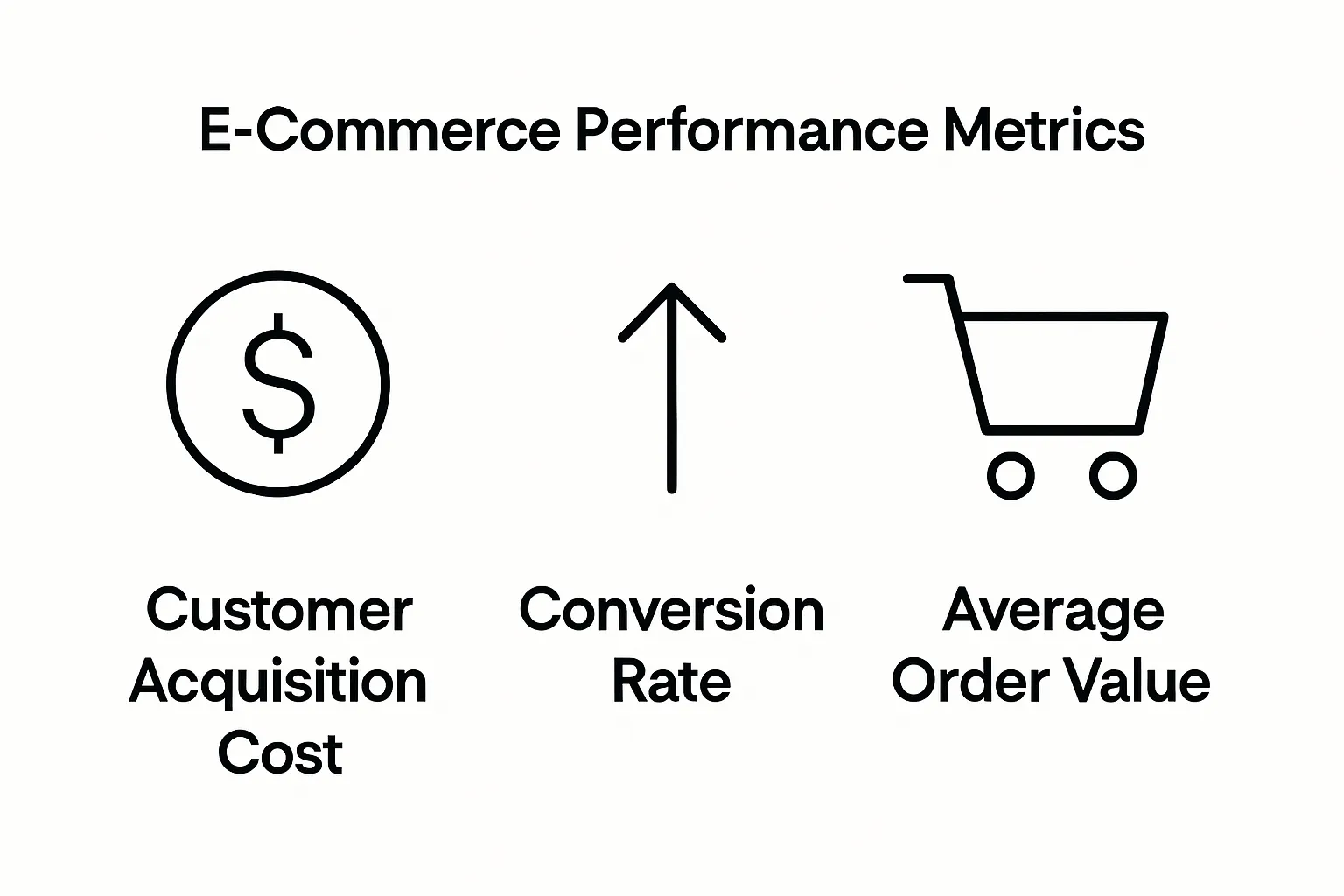
- Customer acquisition cost
- Average order value
- Conversion rate optimization
- Retention and churn rates
- Product affinity and cross-selling potential
These metrics transform abstract numbers into strategic roadmaps that guide marketing, inventory, and product development decisions.
The table below organizes critical performance metrics mentioned in the article, giving readers a clear, side-by-side view of each metric and its business significance.
| Metric | Description | Value to E-Commerce |
|---|---|---|
| Customer Acquisition Cost | The average expense to acquire a new customer. | Informs marketing spend efficiency. |
| Average Order Value | The mean dollar amount spent each time a customer places an order. | Guides upselling and bundling tactics. |
| Conversion Rate | The percentage of visits resulting in a completed purchase. | Measures website and campaign success. |
| Retention and Churn Rates | The rate at which existing customers stay or leave over time. | Indicates customer loyalty and issues. |
| Product Affinity | Likelihood that certain products are purchased together. | Drives cross-selling strategies. |
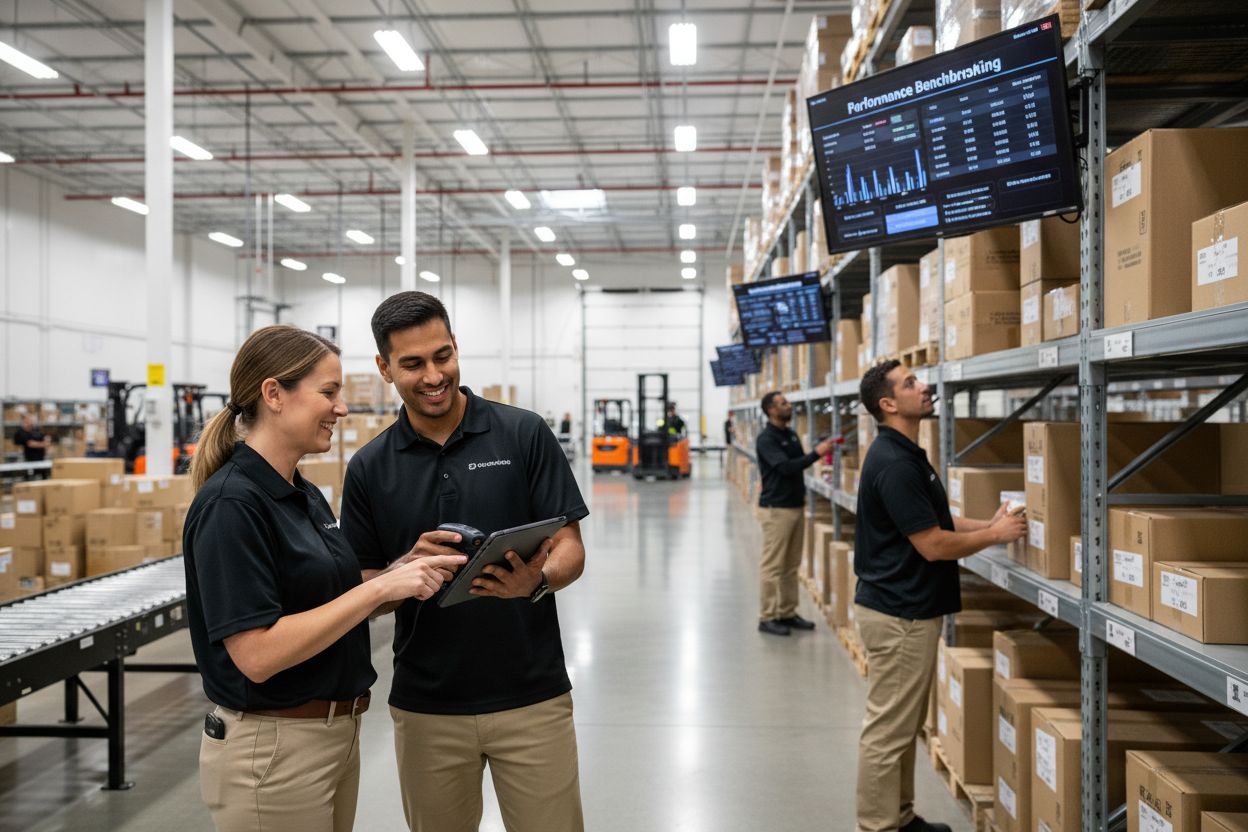 The true power of retail analytics lies not in collecting data, but in translating complex information into clear, executable business strategies that directly impact revenue and customer satisfaction.
How Retail Analytics Drives Business Decisions
Retail analytics transforms raw data into strategic decision-making tools that empower e-commerce businesses to make precise, informed choices. By converting complex digital interactions into actionable insights, analytics bridges the gap between intuition and evidence-based strategy.
Strategic Decision-Making Framework
Data-driven decision making represents a fundamental shift from traditional gut-feeling management to a systematic approach of understanding customer behaviors and market dynamics. Explore our comprehensive in-store analytics guide to understand the broader implications of data-driven strategies across different retail environments.
Key strategic decision components include:
- Identifying emerging market trends
- Predicting customer purchasing behaviors
- Optimizing product placement and pricing
- Allocating marketing resources efficiently
- Reducing operational inefficiencies
Transforming Insights into Action
According to MIT Sloan Management Review, organizations that leverage analytics effectively are 5 times more likely to make faster and more accurate decisions compared to their competitors. This transformation occurs through several critical processes:
- Comprehensive data collection and aggregation
- Advanced statistical modeling
- Real-time performance tracking
- Predictive scenario analysis
- Continuous strategic refinement
The ultimate goal of retail analytics is not merely to collect data, but to create a dynamic, responsive business intelligence system that anticipates market shifts, understands customer preferences, and enables proactive strategic planning.
By converting complex digital interactions into clear, actionable strategies, e-commerce businesses can create competitive advantages that drive sustainable growth.
Real-World Applications of Retail Analytics in E-Commerce
Retail analytics transforms abstract data points into concrete, actionable strategies that directly impact business performance.
The following table compares key personalization and operational optimization techniques enabled by retail analytics in modern e-commerce strategies.
| Application Area | Technique Example | Benefit |
|---|---|---|
| Personalization | Dynamic Product Recommendations | Increases conversion rate |
| Personalization | Customized Email Campaigns | Boosts engagement and repeat purchases |
| Personalization | Individualized Pricing Strategies | Maximizes revenue and customer satisfaction |
| Operations Optimization | Inventory Management Prediction | Reduces stockouts and excess inventory |
| Operations Optimization | Fraud Detection and Prevention | Minimizes losses and builds trust |
| Operations Optimization | Demand Forecasting | Improves planning, reduces waste |
Personalization and Customer Experience
Targeted marketing has become a cornerstone of successful e-commerce strategies. Retail analytics enables businesses to develop hyper-personalized customer journeys by analyzing individual purchasing patterns, browsing behaviors, and interaction history. Explore advanced techniques in retail data applications to understand the depth of personalization possibilities.
Key personalization techniques include:
- Dynamic product recommendations
- Customized email marketing campaigns
- Individualized pricing strategies
- Tailored website content
- Segmented customer communication
Operational Optimization and Efficiency
According to Deloitte Digital, companies utilizing advanced analytics can reduce operational costs by up to 30% while simultaneously improving customer satisfaction. This optimization occurs through several critical analytical approaches:
- Inventory management prediction
- Supply chain performance tracking
- Fraud detection and prevention
- Demand forecasting
- Resource allocation optimization
Retail analytics goes beyond simple data collection. It represents a sophisticated approach to understanding customer behavior, optimizing business processes, and creating competitive advantages that transform raw information into strategic business intelligence.
Turn Retail Analytics Insights Into Immediate Revenue Gains
Have you ever felt overwhelmed by the complexity of sales data, struggling to spot which product pairings will actually boost your average order value? As the article explains, mastering retail analytics is the secret to unlocking actionable intelligence and pinpointing hidden revenue streams within your e-commerce store. Many store owners face these challenges, especially when trying to move from raw sales numbers to effective cross-sell strategies that work. In today’s fast-moving digital landscape, it takes more than spreadsheets and simple metrics to stay ahead. APUS NEST brings your retail analytics education to life with AI-driven reports designed for Shopify and WooCommerce merchants seeking practical ways to grow.
Get started now and immediately put the article’s guidance into practice. Upload your sales data to APUS NEST to discover powerful product relationships you might be missing. Need a deeper understanding before you act? Check our market basket analytics guide as well. Claim your free report today and see how easy it is to transform knowledge into increased sales. Your next big revenue boost is waiting—unlock it now.
Frequently Asked Questions
What is retail analytics?
Retail analytics is a data-driven approach that involves collecting, analyzing, and interpreting sales and customer data to gain strategic insights for e-commerce businesses.
Why is retail analytics essential for e-commerce businesses?
Retail analytics helps e-commerce businesses make informed decisions by providing insights into customer behavior, purchase patterns, and product performance, which can enhance revenue and customer experience.
How does retail analytics improve customer personalization?
By analyzing individual purchasing patterns and browsing behaviors, retail analytics enables businesses to create targeted marketing campaigns, dynamic product recommendations, and personalized website content.
What are the key components of retail analytics?
Key components include customer segmentation and profiling, inventory management optimization, purchase trend identification, predictive sales forecasting, and performance benchmarking.
Recommended
- E Commerce Analysis Report Guide for 2025 Success - ApusNest Blog | ApusNest
- Understanding Why Leverage Ecommerce Analytics in Business - ApusNest Blog | ApusNest
- Understanding Top Retail Analytics Terms for E-Commerce Success - ApusNest Blog | ApusNest
- The Ultimate Guide to In Store Analytics for 2025 - ApusNest Blog | ApusNest
- Website Traffic Analysis for 2025: Boost Growth and ROI
