
Imagine finishing an online purchase in just seconds, without forms or delays. This is the power of instant checkout, shaping how we shop online in 2025. As the demand for speed and security grows, instant checkout is transforming payments—making them faster, safer, and more convenient for everyone.
In this guide, you’ll discover what instant checkout is, why it matters this year, and the technology behind it. We’ll walk you through setup steps, optimization tips, and a glimpse into payments of the future. Ready to simplify your online experience? Start here.
The Evolution of Online Payments and the Rise of Instant Checkout
The world of online payments has transformed dramatically over the past two decades. This evolution has paved the way for instant checkout, a breakthrough that is redefining how we buy and sell online. Understanding this journey provides valuable context for why instant checkout is so crucial in 2025.
The History of Online Payments
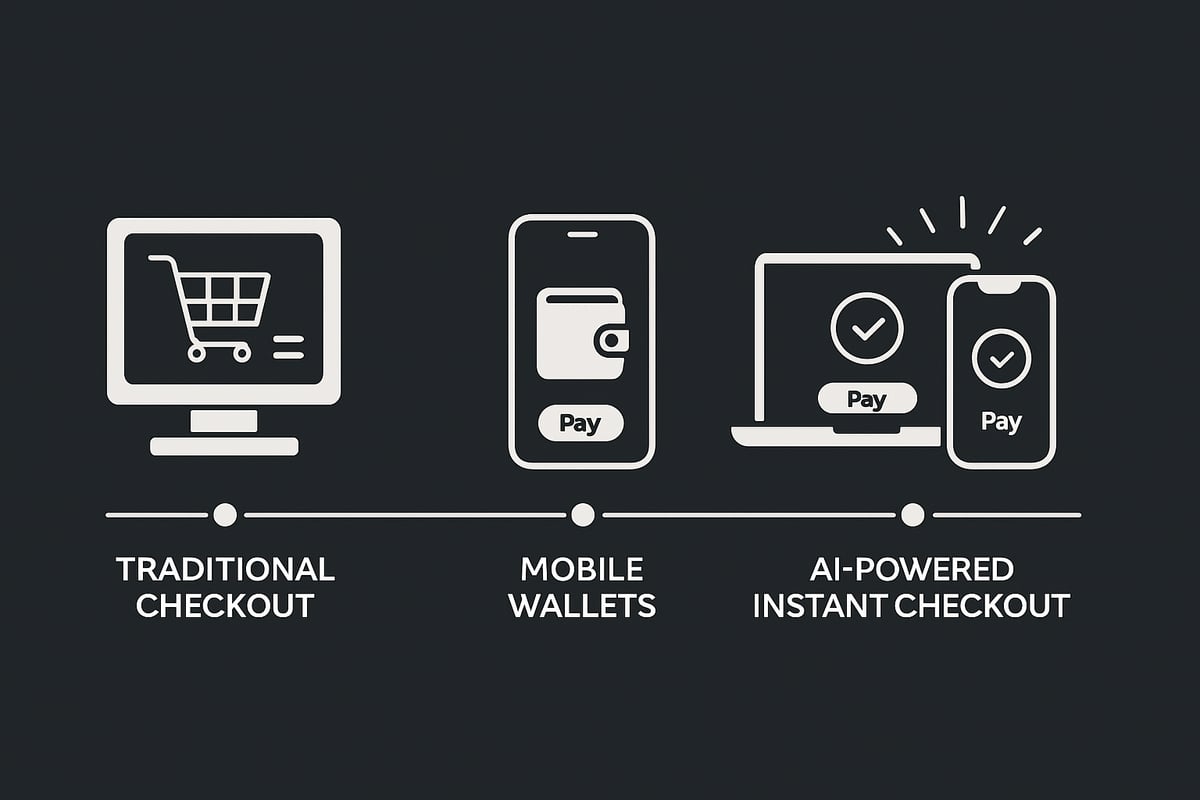
Online shopping began with multi-step checkouts that required customers to fill out lengthy forms for every purchase. Manual data entry, slow processing, and frequent errors led to high frustration and, ultimately, lost sales. As e-commerce grew, third-party payment gateways like PayPal and Stripe emerged, making transactions safer and more convenient. The shift to mobile commerce brought new innovations such as one-click payments, but complexity still lingered for many users.
Historically, cart abandonment rates have exceeded 70 percent, mainly due to complicated checkout flows and perceived security risks. According to Cart Abandonment Rates and Checkout Optimization, optimizing checkout processes can significantly reduce these losses. This data highlights why instant checkout solutions have become so essential for modern e-commerce.
What is Instant Checkout?
Instant checkout is a streamlined, single-step payment process designed to eliminate unnecessary barriers. Unlike traditional or express checkouts, instant checkout minimizes user input by leveraging saved payment information, tokenization, and seamless authentication. The result is a frictionless experience that can be completed in seconds.
Key features include:
- Securely stored payment details
- Tokenized transactions for enhanced security
- Quick authentication, often with biometrics
Popular examples are Stripe Link, Apple Pay, and Google Pay, as well as new AI-driven instant checkout systems. These options offer a level of convenience and security that sets them apart from guest checkout or older express methods.
Why 2025 is a Turning Point
The year 2025 marks a significant shift in how instant checkout is adopted across the industry. AI-powered solutions and conversational commerce, such as ChatGPT integrations, are accelerating this change. Consumers expect fast, secure, and seamless transactions, pushing platforms like Etsy and Shopify to expand instant checkout options.
Recent data shows that more than 80 percent of US online shoppers now expect instant checkout to be available wherever they shop. The convergence of AI, mobile technology, and open protocols is making this expectation a reality, shaping the future of digital commerce.
Benefits for Businesses and Shoppers
Adopting instant checkout brings measurable benefits to both merchants and customers. For businesses, reduced friction leads to higher conversion rates and greater customer loyalty. Advanced security measures, such as tokenization and fraud prevention tools, protect both parties throughout the transaction.
With instant checkout, merchants can also reach new audiences by selling directly within AI-powered chat interfaces. For example, ChatGPT users can purchase Etsy products without leaving the conversation, blending convenience with security. This evolution ensures that shopping is not only faster but also safer and more accessible for everyone.
How Instant Checkout Works: Technology, Protocols, and Security
The rapid rise of instant checkout in 2025 is transforming how businesses and consumers interact online. Understanding the technology, protocols, and security measures behind this evolution is crucial for anyone looking to optimize their e-commerce experience.
Core Technologies Behind Instant Checkout
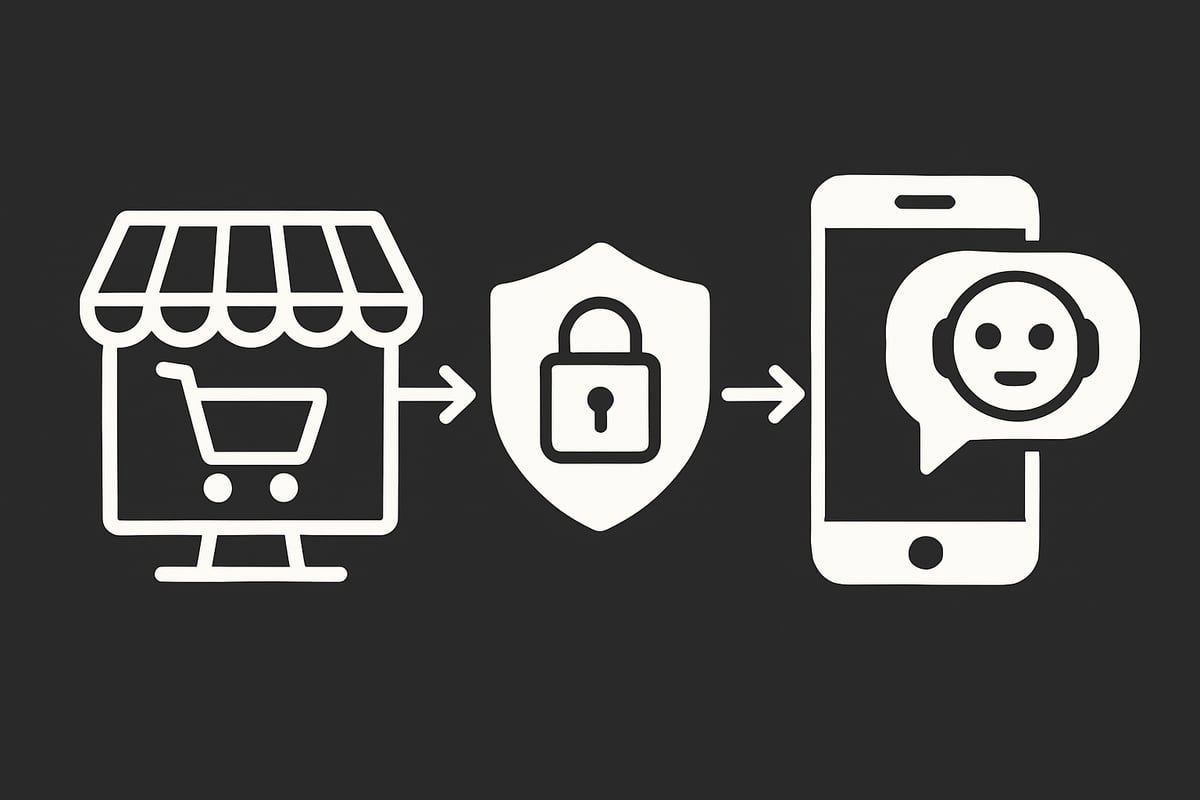
At the heart of instant checkout are advanced technologies that drive speed, security, and convenience. Tokenization is a key innovation, replacing sensitive payment data with secure tokens. For example, Stripe’s Shared Payment Token enables users to pay instantly without exposing card details.
APIs and integrations are equally vital. They allow storefronts to connect with payment processors and AI agents, supporting instant checkout across multiple platforms—web, mobile, and chat interfaces. This interoperability ensures shoppers enjoy a seamless experience wherever they are.
Consider these core components:
| Technology | Purpose | Example |
|---|---|---|
| Tokenization | Securely stores payment info | Stripe Link, Apple Pay |
| APIs | Integrates checkout with platforms and agents | Google Pay, AI chatbots |
| Multi-platform | Ensures compatibility across devices | Web, mobile, conversational UIs |
By leveraging these technologies, instant checkout solutions minimize friction and maximize conversion rates for both businesses and consumers.
The Agentic Commerce Protocol (ACP)
The Agentic Commerce Protocol, or ACP, is an open standard developed by Stripe and OpenAI to power agent-led transactions. ACP enables seamless communication between merchants, AI agents, and payment providers, standardizing the order process and ensuring merchants retain full control.
With ACP, AI-powered assistants like ChatGPT can act as personal shoppers. They securely transmit purchase details, authenticate users, and complete instant checkout directly within a conversation. This agentic approach is revolutionizing how people shop online, making purchases as easy as chatting with a friend.
The benefits of ACP are significant:
- Standardized order processing for consistency
- Merchant control over transactions
- Cross-platform compatibility, supporting multiple storefronts and agents
For a deeper dive into how AI is shaping e-commerce and instant checkout, see the AI in E-commerce Guide.
Security and Fraud Prevention
Security is foundational to instant checkout. Advanced fraud detection systems, such as Stripe Radar, use machine learning to score risk and flag suspicious activity in real time. Shared Payment Tokens (SPTs) ensure that payment credentials are never exposed, dramatically reducing the risk of data breaches.
End-to-end encryption and compliance with PCI DSS standards further protect every transaction. These layers of security make instant checkout safer than traditional multi-step methods, which are more vulnerable to credential leaks and fraud.
Data shows that tools like Stripe’s fraud prevention suite can reduce chargebacks by up to 40 percent. By prioritizing security, instant checkout not only protects shoppers but also builds trust and loyalty for merchants.
Privacy and Data Protection
User privacy is a core principle of instant checkout. Payment information is never shared directly with merchants or third-party agents. Instead, tokenization ensures sensitive data remains secure and private.
Both shoppers and merchants benefit from clear data ownership and transparency. Instant checkout solutions are designed to comply with evolving regulations such as GDPR and CCPA, ensuring global standards for privacy are met.
Protocols like ACP and tokenization align with privacy best practices, giving users confidence that their data is handled responsibly. As privacy expectations rise, instant checkout continues to set the standard for secure, transparent online transactions.
Step-by-Step Guide: Implementing Instant Checkout for Your Online Store in 2025
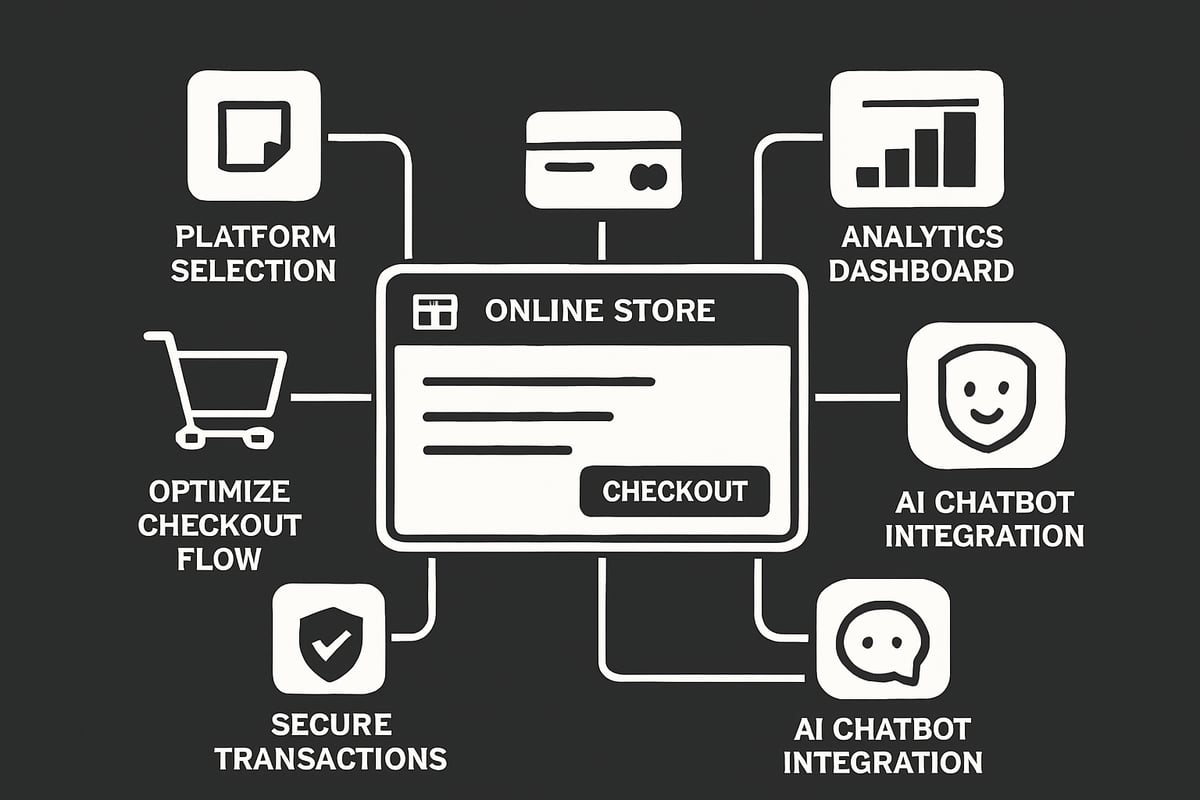
Implementing instant checkout in 2025 is a strategic move that can transform your online business. By following these six steps, you will streamline payments, increase conversions, and keep pace with evolving shopper expectations.
Step 1: Assess Your Platform and Payment Providers
Begin by reviewing your current e-commerce platform. Does it support instant checkout natively, or will integration be required? Platforms like Shopify, WooCommerce, and BigCommerce have rapidly adopted instant checkout features, but capabilities vary.
Evaluate your payment processors. Stripe, PayPal, and others now offer advanced instant checkout solutions. Check for compatibility with AI-powered agents and conversational commerce tools, as these are essential for 2025.
| Platform | Native Instant Checkout | ACP/AI Integration | Payment Options |
|---|---|---|---|
| Shopify | Yes | Yes | Stripe, Apple Pay |
| WooCommerce | Yes (via plugin) | Yes | PayPal, Google Pay |
| Custom Store | Varies | Possible | Depends on API |
For example, Shopify merchants can enable instant checkout using Stripe’s integration, unlocking one-tap payments and a seamless experience. Assessing these elements early ensures you invest in solutions that scale with your business.
Step 2: Enable Instant Checkout Features
Once you have confirmed platform compatibility, activate instant checkout features. Most modern platforms provide clear onboarding flows to help you get started.
Enable saved payment methods and set up payment tokenization for enhanced security. Integrate with protocols like the Agentic Commerce Protocol (ACP) to allow AI agents to facilitate purchases across various channels.
For instance, turning on Stripe Link or Apple Pay enables one-tap payments, greatly reducing friction. Make sure to test these features in both desktop and mobile environments to guarantee a consistent instant checkout experience for all users.
Step 3: Optimize the Checkout Experience
A frictionless instant checkout flow is vital to conversion. Design your checkout page with minimal fields, leveraging auto-fill and mobile-first layouts. Prominently display trust signals, such as security badges and privacy policies, to assure customers.
Regularly test your checkout process for speed and reliability. Use analytics to identify and address any bottlenecks. According to industry data, optimized instant checkout flows can boost conversion rates by 20-35%. For more strategies on removing friction and reducing lost sales, see Reducing Shopping Cart Abandonment.
Remember, the more effortless your instant checkout, the higher your sales and customer loyalty.
Step 4: Secure Your Transactions
Security is non-negotiable for instant checkout. Implement robust fraud detection tools, such as Stripe Radar, and ensure that all payment data is encrypted and PCI compliant.
Use Shared Payment Tokens (SPTs) to prevent sensitive credentials from being exposed. Educate both your team and customers on security best practices, making sure everyone understands their roles in maintaining safe transactions.
By prioritizing security at every step, you not only protect your business but also build long-term trust with shoppers using instant checkout.
Step 5: Monitor, Analyze, and Iterate
Success with instant checkout is an ongoing process. Track key metrics such as abandonment rate, conversion rate, and average order value. Use these insights to identify friction points and opportunities for improvement.
A/B test new checkout features or layouts to see what resonates best with your audience. Merchants who consistently analyze and optimize their instant checkout flows often see checkout times cut in half and noticeable lifts in sales.
Step 6: Expand to Conversational and AI-Powered Commerce
The future of instant checkout is conversational and AI-driven. Integrate with chatbots, virtual assistants, and AI agents like ChatGPT to reach shoppers wherever they are.
Leverage ACP for seamless sales across multiple platforms, including chat and voice interfaces. For example, Etsy merchants in 2025 can sell directly through ChatGPT, creating new revenue streams.
Stay ahead by preparing for emerging channels such as AR, VR, and voice commerce. Expanding your instant checkout capabilities ensures your business remains competitive and ready for the next wave of digital commerce.
Best Practices for Optimizing Instant Checkout in 2025
Optimizing instant checkout in 2025 means creating an experience that is fast, intuitive, and secure. As consumer expectations rise, businesses must focus on every detail of the checkout process to maximize conversions and build loyalty.

Streamlining the User Experience
Speed is the heart of instant checkout. Aim for a process that lets customers finish their purchase in under 30 seconds. Offer a variety of payment methods, including cards, wallets, and buy now pay later options, to meet diverse preferences.
Reduce friction by minimizing required fields and using auto-fill features. Focus on mobile-first interfaces to ensure a seamless experience across all devices. For a deeper understanding of how these steps boost conversions, see Understanding Conversion Rate Optimization.
List of quick wins:
- Enable saved payment options for returning users
- Use clear, prominent call-to-action buttons
- Display progress indicators to guide users
Instant checkout should always prioritize user convenience and clarity.
Building Trust and Transparency
Trust is essential for instant checkout success. Display security badges and privacy policies prominently at the point of payment. Clearly communicate return, shipping, and refund policies before users commit to their purchase.
Use trusted payment processors and show recognizable logos to reassure shoppers. Transparency in every step reduces hesitation and encourages completion. Data shows that clear policies can lower cart abandonment by 15 percent.
Best practices:
- List contact information and support links at checkout
- Provide real-time order summaries
- Use SSL certificates and display them visibly
When shoppers feel secure, instant checkout adoption rises.
Personalization and AI Recommendations
Personalization can turn instant checkout into a revenue driver. Use AI to suggest relevant products or bundles at the moment of payment. Tailor the checkout experience based on user history and preferences for a smoother flow.
Examples include AI-powered upsells that increase average order value by 10 to 20 percent. Instant checkout systems integrated with recommendation engines make it easy for customers to add more to their cart without extra friction.
Tips for effective personalization:
- Show recently viewed or related products
- Offer discounts on complementary items
- Customize messaging based on user profiles
Personalization keeps instant checkout engaging and profitable.
Accessibility and Inclusivity
An effective instant checkout must be accessible to all users. Follow WCAG guidelines to support those with disabilities. Ensure the process works seamlessly on both desktop and mobile, and provide options for multiple languages and currencies.
Global shoppers expect local payment methods and clear instructions. Mobile-first design is no longer optional, as most purchases now happen on handheld devices.
Checklist for inclusivity:
- Use large, legible fonts and clear contrast
- Support screen readers and keyboard navigation
- Offer language and currency selectors
Accessibility ensures instant checkout is open to everyone, everywhere.
Continuous Optimization
Instant checkout is not a set-and-forget feature. Regularly review analytics to spot friction points and run A B tests on elements like button placement or payment options. Gather user feedback to identify pain points and opportunities.
Stay updated on new protocols and payment technologies to maintain a competitive edge. Merchants who continuously iterate on instant checkout see smoother multi-agent integration and higher sales. For actionable tips on ongoing improvements, review Boost Shopify Sales.
Optimization tips:
- Track key metrics: abandonment rate, conversion rate, order value
- Test new features regularly
- Respond quickly to shopper feedback
Continuous improvement ensures instant checkout remains effective as trends evolve.
The Future of Instant Checkout: Trends and Predictions for 2025 and Beyond
The online payment landscape is evolving quickly. As we look ahead, instant checkout is positioned to become the standard for digital transactions. Today’s innovations are setting the stage for a more seamless and secure online shopping experience, with instant checkout at the heart of this transformation.
Conversational Commerce and AI Agents
Conversational commerce is reshaping the way consumers shop online. AI-powered shopping assistants like ChatGPT and Google Gemini are streamlining the instant checkout process, enabling users to move from product discovery to payment within a single conversation.
With instant checkout, shoppers can complete purchases directly through chat interfaces. These AI agents handle product recommendations, answer questions, and securely process payments. This integration removes traditional barriers, making the path from intent to purchase incredibly short.
Retailers are already seeing the impact, as instant checkout drives higher conversion rates in conversational channels. In 2025, expect more businesses to adopt AI-driven commerce, meeting customers where they are and delivering a frictionless experience.
Open Standards and Interoperability
The future of instant checkout relies on open standards like the Agentic Commerce Protocol (ACP). These protocols ensure seamless interoperability between merchants, platforms, and AI agents.
By embracing open standards, merchants can support instant checkout across multiple channels with a single integration. This approach reduces technical complexity and accelerates adoption. The ACP, developed by industry leaders, provides a blueprint for secure and efficient agent-led transactions.
As interoperability improves, instant checkout experiences become more consistent for shoppers, regardless of the device or platform they use. This standardization is essential for scaling instant checkout worldwide.
Enhanced Security and Privacy
Security and privacy remain top priorities as instant checkout becomes mainstream. Advanced authentication methods, such as biometrics and tokenization, are making transactions safer than ever.
Instant checkout platforms use end-to-end encryption and never expose sensitive payment data. Tools like Stripe Radar continuously monitor for fraud, reducing risks for both consumers and merchants. Privacy regulations, including GDPR and CCPA, are fully integrated into these systems, ensuring compliance and user trust.
With instant checkout, businesses can assure customers that their data is protected at every step. This confidence is crucial for building long-term loyalty in the digital marketplace.
Global Expansion and Inclusivity
Instant checkout is expanding rapidly across the globe. Merchants are now able to support multiple currencies, local payment methods, and languages, making online shopping accessible to a wider audience. According to Digital Payment Trends and Consumer Preferences, the demand for fast, frictionless payments is fueling this growth.
Global adoption of instant checkout is especially strong in emerging markets, where mobile-first solutions are prevalent. By prioritizing inclusivity and accessibility, businesses can tap into new customer segments and drive international sales.
A mobile-first, multilingual approach ensures that instant checkout meets the diverse needs of shoppers worldwide.
The Role of Reviews, Returns, and Customer Support
The instant checkout experience does not end at payment. Integrating trusted reviews, transparent return policies, and responsive customer support into the checkout flow is essential.
Customers expect clarity before making a purchase. Displaying reviews and clear return options within the instant checkout process reduces hesitation and increases satisfaction. Seamless post-purchase support further strengthens brand loyalty.
Merchants who prioritize these elements will stand out in a competitive market, turning one-time buyers into repeat customers.
Challenges and Considerations
Despite its advantages, instant checkout presents challenges. Balancing convenience with privacy and data security is critical. Businesses must also navigate issues related to AI bias, platform control, and shifting regulations.
Some consumers may be wary of sharing payment credentials with AI agents. Transparency and clear communication about data handling practices are key to overcoming these concerns.
To remain competitive, organizations should monitor regulatory developments and continually review their instant checkout strategies.
What Businesses Should Do Next
To stay ahead, businesses should embrace instant checkout technologies and remain agile. Focus on building trust, optimizing the user experience, and keeping pace with industry trends. By proactively adopting new solutions, you can ensure your checkout process is ready for the future.
